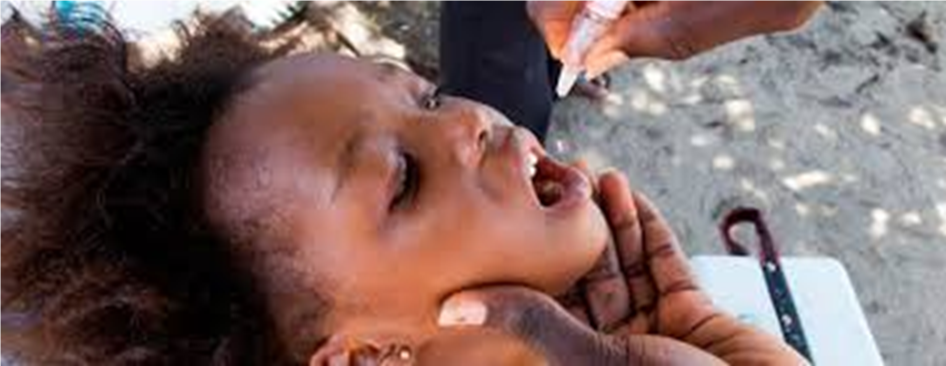
Rotary's Promise: A World on the Brink of Ending Polio
Rotary International, alongside its global partners, stands at the precipice of a monumental public health achievement: the eradication of polio. Since Rotary embraced this ambitious goal, the world has witnessed a staggering reduction in polio cases by over 99.9% . This relentless effort, spanning more than three decades, has Rotary's Promise: A World on the Brink of Ending Polio
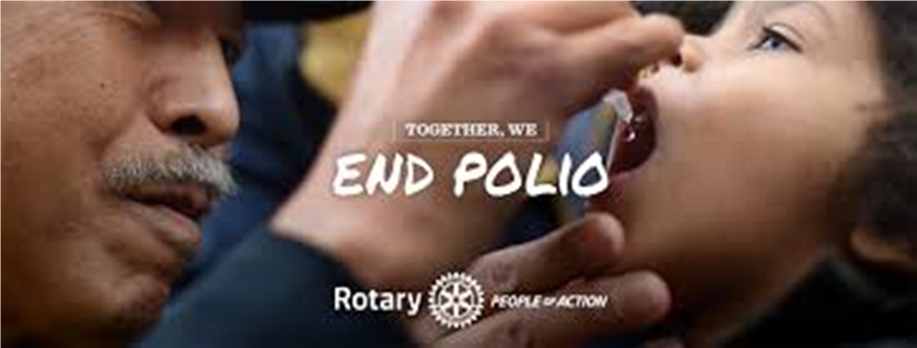
A Global Movement Born from a Single Act
Rotary International's journey toward polio eradication began with a groundbreaking project in 1979 in the Philippines. What started as an effort to immunize six million children blossomed into a worldwide campaign, reducing polio cases by over 99.9%. Rotary, as a founding partner of the Global Polio Eradication Initiative (GPEI), has been instrumental in bringing humanity to the verge of eliminating this devastating disease.
The Spark: Philippines 1979
The initial project in the Philippines was part of Rotary's Health, Hunger and Humanity (3-H) Grant program. This initiative aimed to make a large-scale impact, and the polio vaccination drive was a perfect example. The symbolic act of then-RI President James L. Bomar Jr. administering the first drops of oral polio vaccine to a child marked the beginning of Rotary's hands-on commitment. This project, costing around US$760,000, proved immensely successful, demonstrating Rotary's ability to manage large-scale international health initiatives and leading to the PolioPlus program in 1985.
Building Momentum: Key Milestones
The launch of PolioPlus set the stage for Rotary's pivotal role in establishing the GPEI in 1988. At that time, an estimated 350,000 children were paralysed by polio each year. Through the GPEI partnership, significant milestones have been achieved:
- Regional Certifications: WHO regions were progressively declared polio-free, starting with the Americas in 1994 and most recently, the African region in 2020.
- Mass Immunization Victories: Landmark vaccination campaigns reached hundreds of millions of children globally.
- Growing Financial Commitment: Rotary's financial contributions have surpassed US$2.7 billion.
- The Gates Foundation Partnership: A transformative partnership with the Bill & Melinda Gates Foundation amplified Rotary's impact.
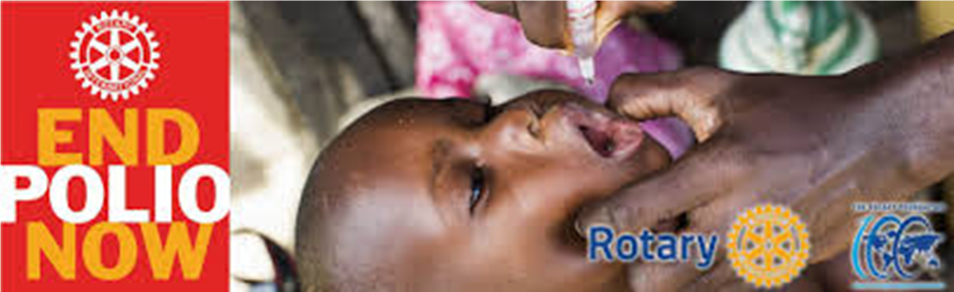
Measuring Success: Impact of PolioPlus
The impact of Rotary's PolioPlus program and the GPEI partnership is extraordinary.
Metric | Data |
|---|---|
Polio Cases Reduction | Over 99.9% |
Children Immunized Since 1988 | Nearly 3 billion |
People Walking Today Who Would Be Paralysed | Over 20 million |
Rotary's Financial Contributions | Over US$2.7 billion |
Stronger Together: The GPEI Partners
The GPEI is a unique public-private partnership. The core partners and their primary roles are:
Partner Name | Primary Role/Contribution |
|---|---|
World Health Organization (WHO) | Leads strategic planning, technical direction, surveillance coordination, and certification process oversight. |
Rotary International | Provides major funding, volunteer hours, advocacy, volunteer recruitment, and awareness building. |
US Centers for Disease Control (CDC) | Offers scientific and technical expertise, operational research, manages the Global Polio Laboratory Network, and supports surveillance. |
United Nations Children's Fund (UNICEF) | Manages polio vaccine procurement and distribution, supports campaign implementation, develops communication strategies, and ensures logistics. |
Bill & Melinda Gates Foundation | Contributes significant financial and technical resources, funds vaccine research and development, and advocates for political/financial support. |
Gavi, the Vaccine Alliance | Supports the introduction and use of Inactivated Polio Vaccine (IPV) in routine immunization programs and helps strengthen overall health systems. |
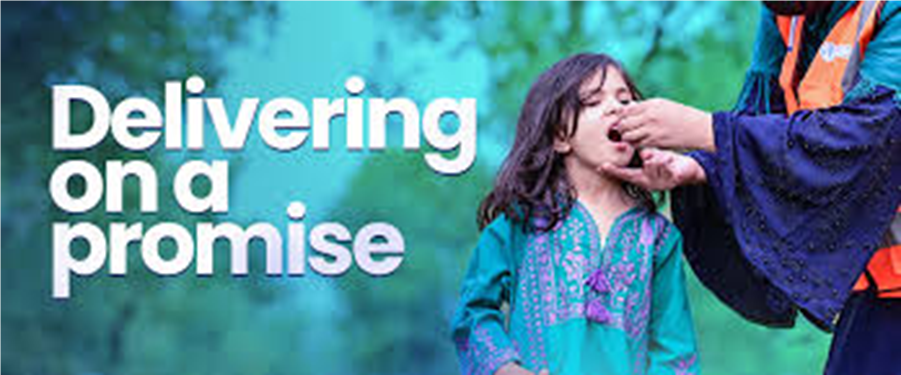
More Than Just Drops: Community Engagement
Rotary's PolioPlus program includes additional benefits – the "Plus" – alongside polio vaccinations. These include providing Vitamin A supplements, distributing bed nets, and improving access to clean water. Effective community mobilization strategies include:
- Grassroots Volunteers
- Female Health Workers
- Engaging Local Influencers
- Combating Misinformation
- Adaptive Strategies
The Final Push: Finishing the Fight